
The Short Answer
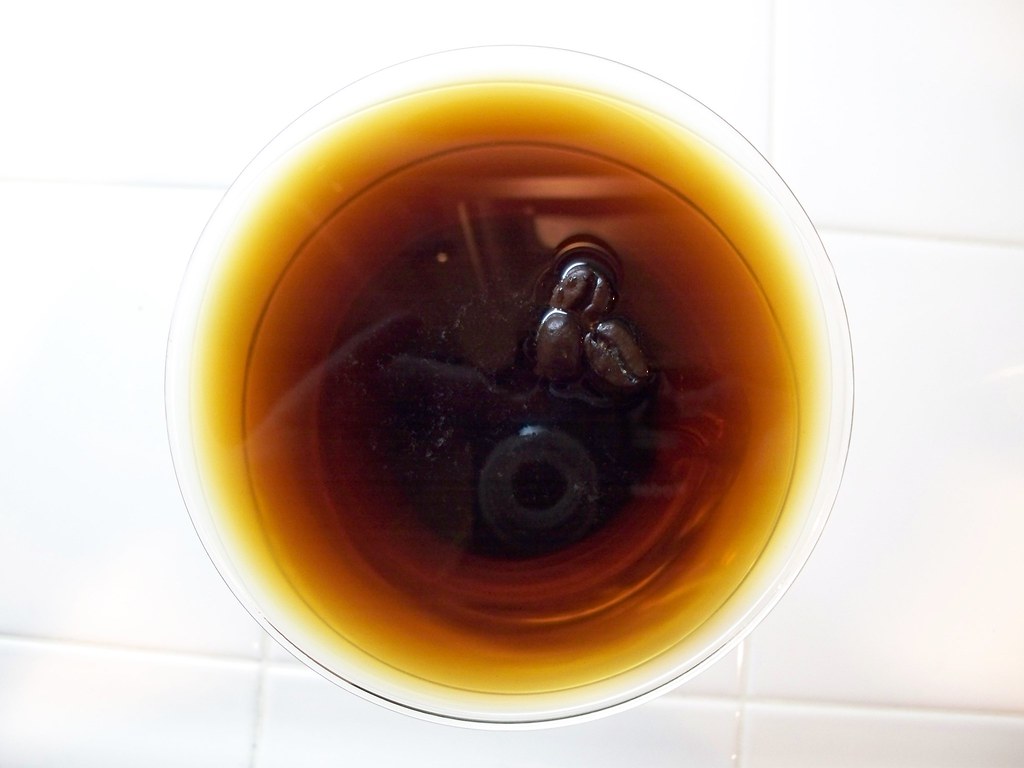
Shake 1.5 oz of fresh espresso with 1 oz of homemade coffee syrup and plenty of ice until it foams, then strain into a chilled coupe and top with three coffee beans. That gets you the classic look and taste with no alcohol at all. If you would rather open a can, deVINE on Pleasant Street in Worcester sells a $7 alcohol-free Espresso Martini mocktail from Little Saints; use decaf espresso if you are making one after dinner.
The espresso martini has had an unlikely second life. For years it was a dated nightclub drink, and then it came roaring back onto menus everywhere. Part of its appeal is that it does two jobs at once: it tastes like dessert and it wakes you up. That second job is also why it translates so well into an alcohol-free drink. The coffee was always the star. The vodka was mostly along for the ride.
This guide gives you a recipe that actually foams, a decaf version for late nights, a clear-eyed look at the caffeine, and where to find a ready-made can in Worcester when you do not feel like pulling shots.
What Is in a Classic Espresso Martini?
The drink is usually credited to London bartender Dick Bradsell in the 1980s, though, as with most cocktail origin stories, the details vary depending on who is telling it. The standard modern build is vodka, coffee liqueur, freshly pulled espresso, and sometimes a little sugar syrup, shaken hard and strained into a coupe.
Each ingredient contributes something specific:
- Espresso gives the coffee flavor, bitterness, and, crucially, the oils that create the foam on top.
- Coffee liqueur brings sweetness, a second layer of coffee flavor, and body.
- Vodka adds alcohol and a slight bite but very little flavor.
The drink’s comeback has run alongside a much broader shift in how people drink. Alcohol-free menus that once offered only soda and juice now list proper zero-proof cocktails, and the espresso martini is one of the most requested. It helps that the drink’s appeal was never really about the alcohol. People order it for the ritual: the hard rattle of the shaker, the pale foam, the three beans floating on top. All of that survives the switch to alcohol-free.
That last point is good news. Because vodka contributes so little taste, you can drop it entirely and replace the coffee liqueur with a homemade syrup, and the drink loses less than almost any other classic cocktail would.
The Non-Alcoholic Espresso Martini Recipe
Step one: make the coffee syrup
This replaces the coffee liqueur and keeps in the fridge for about two weeks.
- 1/2 cup strong brewed coffee or cold brew concentrate
- 1/2 cup demerara or light brown sugar
- 1/4 teaspoon vanilla extract (optional)
Warm the coffee and sugar in a small pot, stirring until the sugar dissolves. Do not boil it. Take it off the heat, stir in the vanilla, cool, and bottle it. If you need the drink completely alcohol-free, skip the vanilla extract, which is usually made with alcohol, or use an alcohol-free vanilla flavoring instead.
Step two: build and shake
Makes one drink.
- 1.5 oz freshly pulled espresso (one double shot)
- 1 oz coffee syrup from above
- Optional: 0.5 oz alcohol-free vodka alternative, for a touch of bite
- Pinch of flaky salt
- Three whole coffee beans to garnish
- Put a coupe or martini glass in the freezer.
- Pull the espresso and let it sit for a minute or two so it is not scalding.
- Add espresso, syrup, the optional alcohol-free spirit, and salt to a shaker.
- Fill the shaker with ice and shake as hard as you can for 15 to 20 seconds.
- Double strain through a fine mesh strainer into the chilled glass.
- Let it settle for a few seconds so the foam rises, then float three coffee beans on top.
The salt is the secret most recipes leave out. A small pinch will not make the drink taste salty. It softens the bitterness of the espresso and makes the sweetness taste rounder, which matters more when there is no alcohol to smooth the edges.
For a visual walkthrough of an alcohol-free version from a working bartender, this video covers the build and the shake:
How to Get That Thick Layer of Foam
The creamy foam on top of an espresso martini is not a garnish. It comes from the coffee itself. When you shake fresh espresso hard with ice, natural oils and compounds from the coffee trap tiny air bubbles, and those bubbles rise to form the crema-like cap. Here is how to make sure it shows up:
- Use fresh espresso. Coffee that has been sitting for twenty minutes, or reheated, foams far less.
- Shake harder than feels necessary. Timid shaking gives you a flat drink.
- Use lots of ice. A full shaker gives the liquid more to crash against.
- Double strain. Removing ice shards gives a smoother, more stable foam.
- No espresso machine? Strong cold brew concentrate or moka pot coffee both work. The foam will be a little thinner, but still there.
If you still struggle, a dry shake helps: shake once without ice to build air, then add ice and shake again to chill. Some home bartenders also add a quarter ounce of aquafaba, the liquid from a can of chickpeas, which foams well and has no noticeable flavor at that amount.
The Caffeine Math Nobody Mentions
Here is the catch with an alcohol-free espresso martini: you removed the alcohol, but you kept all the caffeine. A double shot is a meaningful dose, and this is a drink people often order at night.
According to the FDA, most healthy adults can have around 400 milligrams of caffeine a day without it generally being linked to negative effects, which the agency equates to about two to three 12-ounce cups of coffee. The same FDA guidance notes that decaf is not caffeine-free: an 8-ounce cup of decaf typically still has about 2 to 15 milligrams. People vary a lot in how sensitive they are and how quickly they clear caffeine, which is why one espresso martini at 9 PM keeps some people up and does nothing to others.
If you want to dig into the broader research on coffee and health, the Harvard T.H. Chan School of Public Health’s coffee overview is a well-organized, evidence-focused summary. It covers what coffee contains, how brewing methods change it, and who might want to limit it.
Practical rules of thumb:
- After about mid-afternoon, make it with decaf espresso. The flavor and foam survive just fine.
- Count the drink toward your daily caffeine, along with any coffee you had earlier.
- If you are pregnant, have a heart condition, or take medication that interacts with caffeine, check with your doctor about how much is right for you.
Why Skip the Alcohol at All?
Some people are sober, some are sober-curious, some are driving, and some just do not like the next morning. There is also a specific reason the espresso martini is a good candidate for going alcohol-free: mixing caffeine and alcohol can make people feel less drunk than they are, while the alcohol still has its full effect.
The CDC’s guidance is straightforward. Its alcohol and health pages explain that drinking less is better for health than drinking more, and note that adults of legal drinking age can choose not to drink, or to drink in moderation if they do. An alcohol-free espresso martini lets you keep the ritual without adding to that tally.
Where to Buy an Alcohol-Free Espresso Martini in Worcester
deVINE Worcester, 246 Pleasant Street
The easiest ready-made option in the city comes from deVINE Worcester, a shop focused on alcohol-free and functional drinks. It is at 246 Pleasant Street, Worcester, MA 01609, open 10 AM to 8 PM daily. Canned mocktails move fast, so give them a ring at (774) 622-2386 before heading over.
Why it stands out. The shop carries Little Saints’ canned Espresso Martini mocktail, priced at $7. The listing describes bold espresso with smooth vanilla and chocolate notes, made with adaptogenic mushrooms and botanicals, and suggests shaking it over ice into a coupe or drinking it chilled straight from the can.
Best for. Hosts who want an easy alcohol-free option on the table, and anyone who does not own an espresso machine.
What to know. The listing gives no milligram figure for caffeine and advises checking the can if you are sensitive or drinking it late. The online listing showed it as sold out when we checked, so call before you go. And while the listing highlights mushrooms and botanicals, treat those as part of the flavor and formulation rather than something that will change how you feel.
Making it from scratch in Worcester
For the homemade version, the most important ingredient is good espresso, and Worcester has plenty of independent coffee shops that will sell you whole beans or pull shots to go. Buy beans roasted within the last few weeks if you can; freshness helps the foam as much as the flavor. Demerara sugar and vanilla are standard at any grocery store. If you want to add an alcohol-free spirit for bite, deVINE and some larger liquor stores stock a few options, but availability changes, so call first.
If you are building out a zero-proof routine more broadly, deVINE’s write-up on the sober-curious trend is a useful read on why so many people are rethinking what goes in their glass.
Choosing the Right Coffee
Because coffee carries this entire drink, the beans matter more than in almost any cocktail. A few guidelines help.
Roast level. Medium to medium-dark roasts are the safe choice. They bring chocolate and caramel notes that pair naturally with the syrup. Very light roasts can taste sour and fruity once chilled and diluted, which surprises people who love them hot. Very dark roasts can turn ashy.
Freshness. Look for a roast date on the bag and aim for beans roasted within the past few weeks. Grind right before brewing if you can. Pre-ground coffee goes stale quickly, and stale coffee is the number one reason for a flat, foamless drink.
Decaf quality. Decaf has improved a lot. Many specialty roasters now sell decaf that tastes close to their regular beans. If you plan to make evening espresso martinis often, a good decaf is worth buying rather than grabbing whatever is cheapest.
Blends vs single origin. Espresso blends are designed to taste balanced when pulled as shots, which makes them a reliable pick. Single-origin coffees can be delicious but less predictable.
The Equipment You Actually Need
You do not need a full home bar to make a good one.
- A shaker. A cocktail shaker is ideal, but a large jar with a tight lid works fine. The key is room for plenty of ice and a good seal.
- A strainer. A fine mesh kitchen strainer handles the double strain. Pour through it while holding back the ice with the jar lid or a spoon.
- A coffee source. An espresso machine, a moka pot, an AeroPress, or cold brew concentrate all work. Each gives slightly different foam and body.
- A chilled glass. A coupe or martini glass straight from the freezer keeps the foam stable longer.
What to Serve Alongside
An espresso martini is often treated as dessert in a glass, and it pairs best with food that leans that way: dark chocolate, biscotti, tiramisu, almond cookies, or a simple bowl of salted nuts. If you are serving it as a pick-me-up at a daytime gathering, it also works surprisingly well with a cheese board that includes something sweet, like fig jam or honey.
Skip anything very acidic or spicy alongside it. Citrus-heavy dishes and hot sauces clash with the bitter coffee and sweet syrup.
Adjusting Sweetness and Strength to Your Taste
Everyone’s ideal espresso martini sits somewhere different on the bitter-to-sweet scale, and the alcohol-free version is easy to tune once you know which lever does what.
Too bitter? Add syrup a quarter ounce at a time, or add the pinch of salt if you skipped it. Salt reduces the perception of bitterness more effectively than extra sugar, and it does not make the drink cloying.
Too sweet? Cut the syrup back to three-quarters of an ounce and add a splash more espresso. A strip of orange peel expressed over the top also makes a sweet drink taste fresher.
Too thin? Use a slightly richer syrup, with two parts sugar to one part coffee, and reduce the amount so the sweetness stays the same. A richer syrup adds body without adding much liquid. Oat milk is another way to add weight.
Too strong? Switch from a double shot to a single shot plus half an ounce of cold brew or chilled water. You keep the volume and foam while lowering the intensity and the caffeine.
Write your preferred ratio down once you find it. Consistency is what makes a homemade version feel like a real bar drink rather than a lucky accident.
Homemade vs Canned vs Classic
| Version | Alcohol | Caffeine | Texture | Effort |
|---|---|---|---|---|
| Classic espresso martini | Yes, vodka plus coffee liqueur | From the espresso shot | Silky, foamy | Medium |
| Homemade alcohol-free (regular) | None, if vanilla and spirits are alcohol-free | From a double shot | Foamy when shaken hard | Medium |
| Homemade alcohol-free (decaf) | None, same caveats | Low; decaf still has a little (FDA) | Foamy | Medium |
| Little Saints can (deVINE) | Listed as alcohol-free | Not stated on listing; check can | Ready to drink; shake over ice or serve chilled | None |
Four Variations to Try
The salted caramel. Swap half the coffee syrup for a spoonful of caramel sauce thinned with a little hot water. Keep the pinch of salt.
The mocha. Add a bar spoon of unsweetened cocoa powder to the shaker, or stir a little chocolate syrup into the coffee syrup. Dust the foam with cocoa.
The orange. Express an orange peel over the finished drink. Coffee and orange are a classic pairing, and the oils brighten the whole glass.
The oat. Add half an ounce of oat milk before shaking for a softer, latte-like version. It foams nicely and suits people who find the straight version too intense.
Making a Batch for a Party
You cannot pre-shake espresso martinis, because the foam fades. But you can do most of the work ahead.
- Brew espresso or cold brew concentrate an hour or two before guests arrive and refrigerate it.
- Mix it with the coffee syrup in a bottle, using 1.5 parts coffee to 1 part syrup.
- Keep the bottle in the fridge.
- To serve, pour about 2.5 oz into a shaker with ice and a pinch of salt, shake hard, and strain.
If you are hosting a larger group, set out a small tray with the garnishes ready to go: a dish of whole coffee beans, a few orange peels, and a shaker of cocoa powder. Guests enjoy finishing their own drinks, and it keeps the line at the shaker moving.
Chilled pre-mixed coffee foams slightly less than fresh espresso, so shake extra hard. Make one decaf bottle and one regular, clearly labeled, so late-evening guests have a choice.
Common Mistakes
Using hot espresso straight from the machine. It melts the ice too fast and gives a watery drink. Let it cool for a minute first.
Using old coffee. Stale coffee loses both flavor and foam. Fresh is everything here.
Making it too sweet. Start with three-quarters of an ounce of syrup and adjust. A good espresso martini tastes like coffee first and sugar second.
Forgetting the caffeine. An alcohol-free drink is not automatically an evening drink. Decaf is your friend after dinner.
Assuming “non-alcoholic” means zero. Some store-bought alcohol-free spirits can contain a trace of alcohol, and vanilla extract usually contains alcohol too. Read labels if you need the drink to be fully alcohol-free.
Frequently Asked Questions
How do you make a non-alcoholic espresso martini?
Shake 1.5 oz of fresh espresso with 1 oz of homemade coffee syrup, a pinch of salt, and plenty of ice. Double strain into a chilled coupe and garnish with three coffee beans. An alcohol-free vodka alternative is optional.
Does a non-alcoholic espresso martini have caffeine?
Yes, unless you use decaf. A double shot of espresso carries a real dose of caffeine. The FDA notes decaf still has a small amount, typically about 2 to 15 mg per 8-ounce cup of coffee.
Where can I buy an alcohol-free espresso martini in Worcester?
deVINE at 246 Pleasant Street carries Little Saints’ canned Espresso Martini mocktail for $7. Stock changes, so call (774) 622-2386 before visiting.
How do I get foam without alcohol?
The foam comes from fresh espresso, not alcohol. Use freshly pulled coffee, fill the shaker with ice, shake hard for 15 to 20 seconds, and double strain. A dry shake or a little aquafaba adds extra foam.
What can I use instead of Kahlua?
A simple syrup made from equal parts strong coffee and demerara sugar replaces coffee liqueur well. Add a little alcohol-free vanilla flavoring if you like a sweeter, rounder taste.
Can I make it without an espresso machine?
Yes. Strong cold brew concentrate or moka pot coffee both work. The foam will be a little thinner than with fresh espresso, but a hard shake still gives a good layer.
Legal and health disclaimer
This article provides recipes and general information for adults. It is not medical advice. Statements about ingredients in commercial products, including mushrooms and botanicals, reflect the manufacturers’ descriptions and have not been evaluated by the FDA; no health benefit is claimed or implied.
Coffee-based drinks contain caffeine unless made with decaf, and even decaf contains some. People who are pregnant or nursing, have heart conditions, anxiety, or sleep problems, or take medications that interact with caffeine should talk to a healthcare provider. Products labeled “non-alcoholic” may contain trace alcohol, and vanilla extract typically contains alcohol; check labels if you must avoid alcohol completely.
Store details, prices, and product availability can change. Confirm with the retailer before visiting. Brand names are used for identification only.